
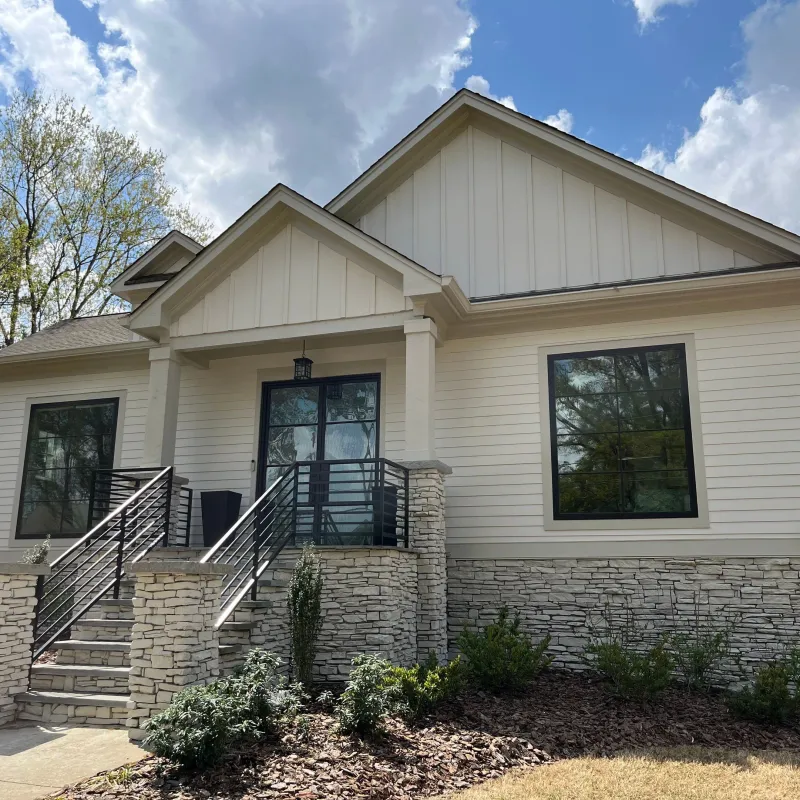
Is James Hardie Better Than Other Siding Materials?
If you are comparing James Hardie vs other siding materials, the best choice depends on your budget, maintenance goals, and how well the product performs in Georgia's climate. For many Marietta and Metro Atlanta homeowners, James Hardie offers one of the strongest balances of durability, curb appeal, and long-term value.
If you are weighing James Hardie vs other siding materials, Nelson Exteriors recommends focusing on what matters most for your home: climate, budget, maintenance, and long-term goals. For many Atlanta-area homeowners, James Hardie is a strong all-around choice.
Why Homeowners Trust Nelson Exteriors for Siding Replacement
Since 1977, Nelson Exteriors has helped homeowners improve and protect their homes with quality exterior remodeling. Serving North Metro Atlanta since 1986, our team is known for clear communication, skilled craftsmanship, and dependable project management.
Why homeowners choose Nelson Exteriors:
- Family-owned and second-generation company
- James Hardie Elite Preferred Contractor
- Dedicated project manager during your job
- Skilled siding installers who focus on details
- Honest recommendations based on your home and goals
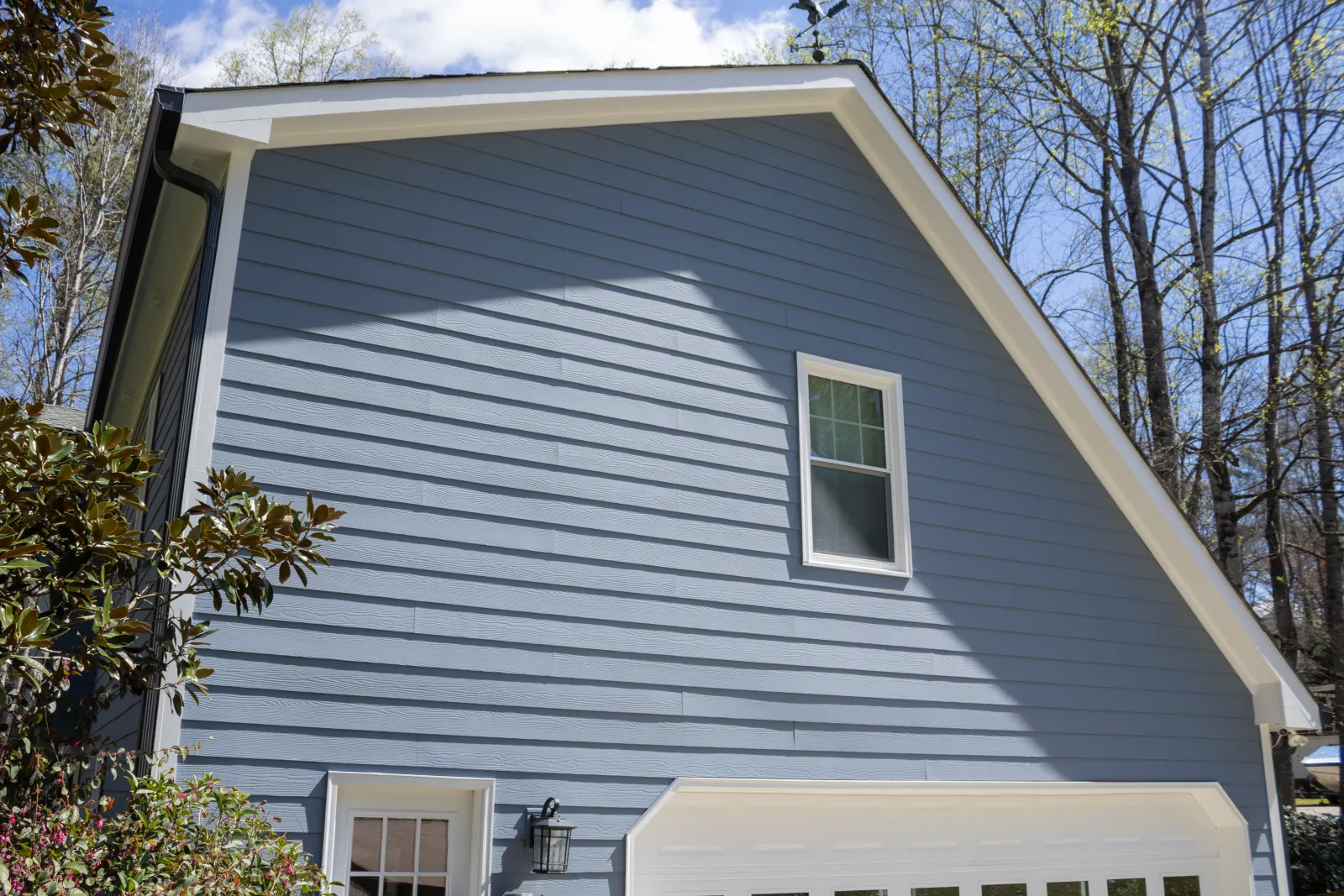
How Does James Hardie Compare to Other Siding Materials?
Here is a quick look at how James Hardie stacks up against other common siding installation options:
James Hardie Fiber Cement
Best for homeowners who want strong durability, premium appearance, and long-term value.
- Mid to premium upfront investment
- Low to moderate maintenance
- Excellent performance in humid climates
- Wide range of styles and colors
Vinyl Siding
Best for budget-conscious homeowners who want a lower upfront cost.
- Low to premium upfront investment
- Low maintenance
- Fair to good durability, depending on product quality
- Many color and style options
Wood Siding
Best for homeowners who love authentic natural character.
- Mid to high upfront investment
- Higher maintenance
- Vulnerable to moisture and pests without upkeep
- Timeless appearance
Engineered Wood Siding
Best for homeowners who want a wood-look exterior with less upkeep than natural wood.
- Mid-range investment
- Moderate maintenance
- Good performance with proper installation
- Warm, traditional appearance
Aluminum Siding
Best for select replacement situations and older homes.
- Mid-range investment
- Low to moderate maintenance
- Can dent more easily than other options
- Less common on newer remodels
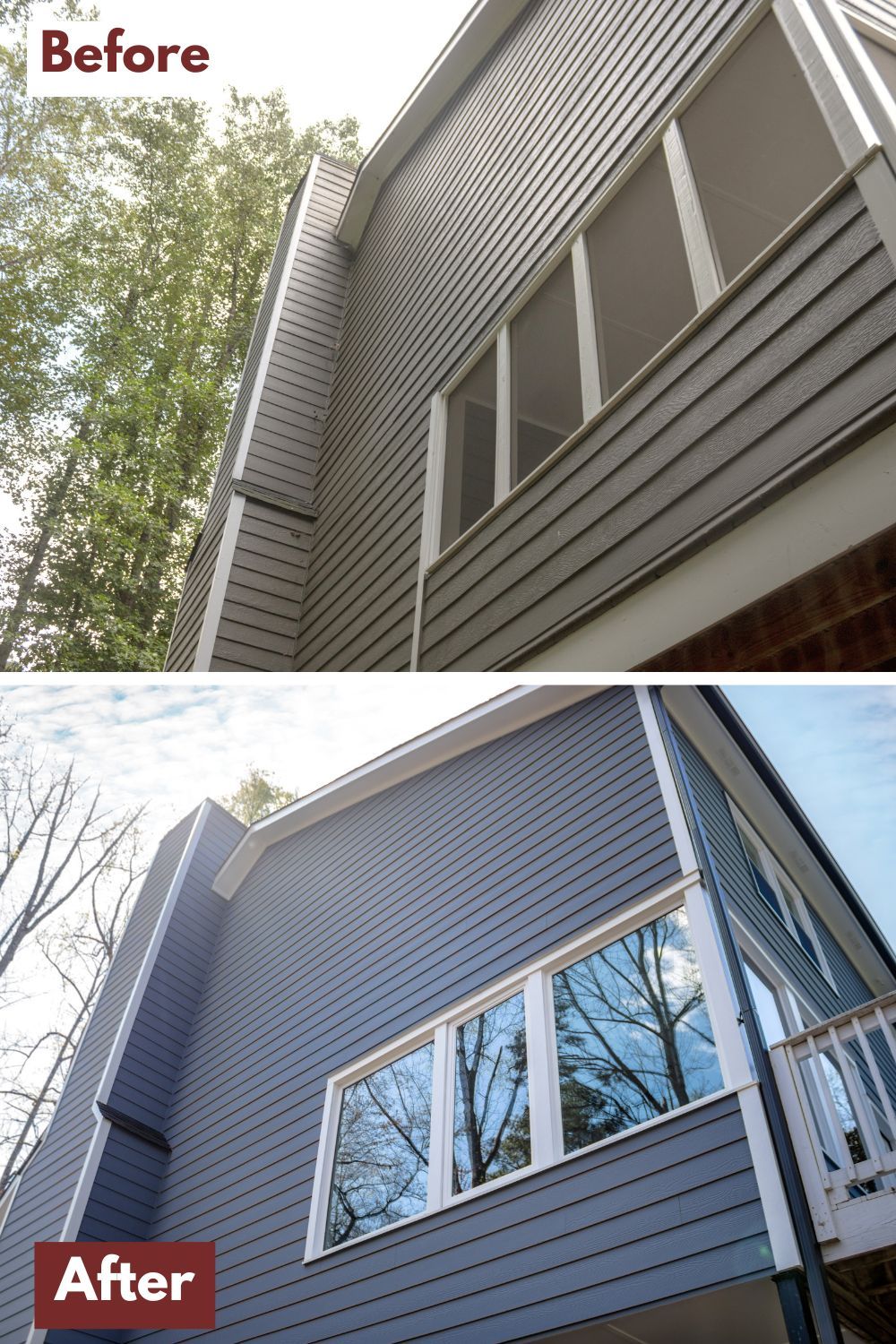
Is James Hardie Better for Atlanta's Climate?
For many homes in the Metro Atlanta area, yes.
Atlanta weather puts siding through a lot. High humidity, strong UV exposure, wind-driven rain, and seasonal storms can all shorten the life of the wrong material. James Hardie fiber cement stands out because it holds up well in humid conditions, resists many moisture-related issues better than wood-based options, and offers stronger impact resistance than materials like aluminum.
That does not mean every other siding material is wrong. It means climate should play a major role in the decision.
Pros and Cons of Fiber Cement Siding in North Metro Atlanta
Fiber cement siding offers a strong balance of durability, appearance, and long-term value, but like any material, it comes with tradeoffs homeowners should understand before deciding.
Pros
- Strong performance in humidity and rain
- Better resistance to warping and impact damage
- More premium appearance
- Strong option for homeowners planning for long-term value
Cons
- Higher upfront cost
- Heavier material that requires experienced installation
- Not always the best fit for homeowners who want the lightest or lowest-cost option
- Some homeowners may prefer the exact look of real wood or another specialty material
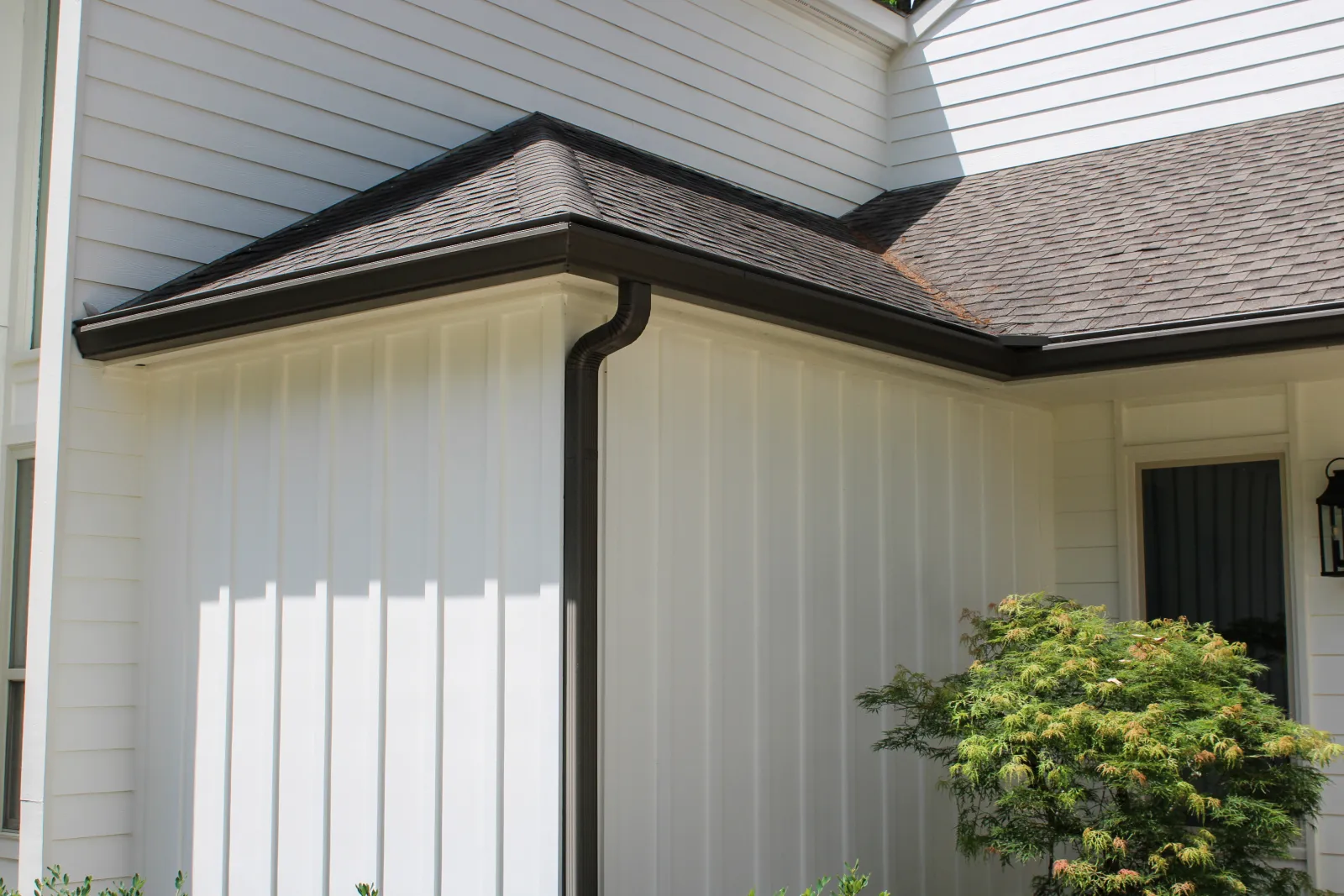
James Hardie vs Vinyl: Which Is Better for Budget and Value?
Vinyl usually wins on upfront price, when it's the cheaper versions. James Hardie usually wins on long-term performance.
That is the simplest way to look at it.
Basic vinyl can be a practical option when cost is the top priority. It can also work well for homeowners who want a faster refresh without stepping into a more premium price range. But when homeowners compare better-quality vinyl products, the gap is not always as wide as they expect.
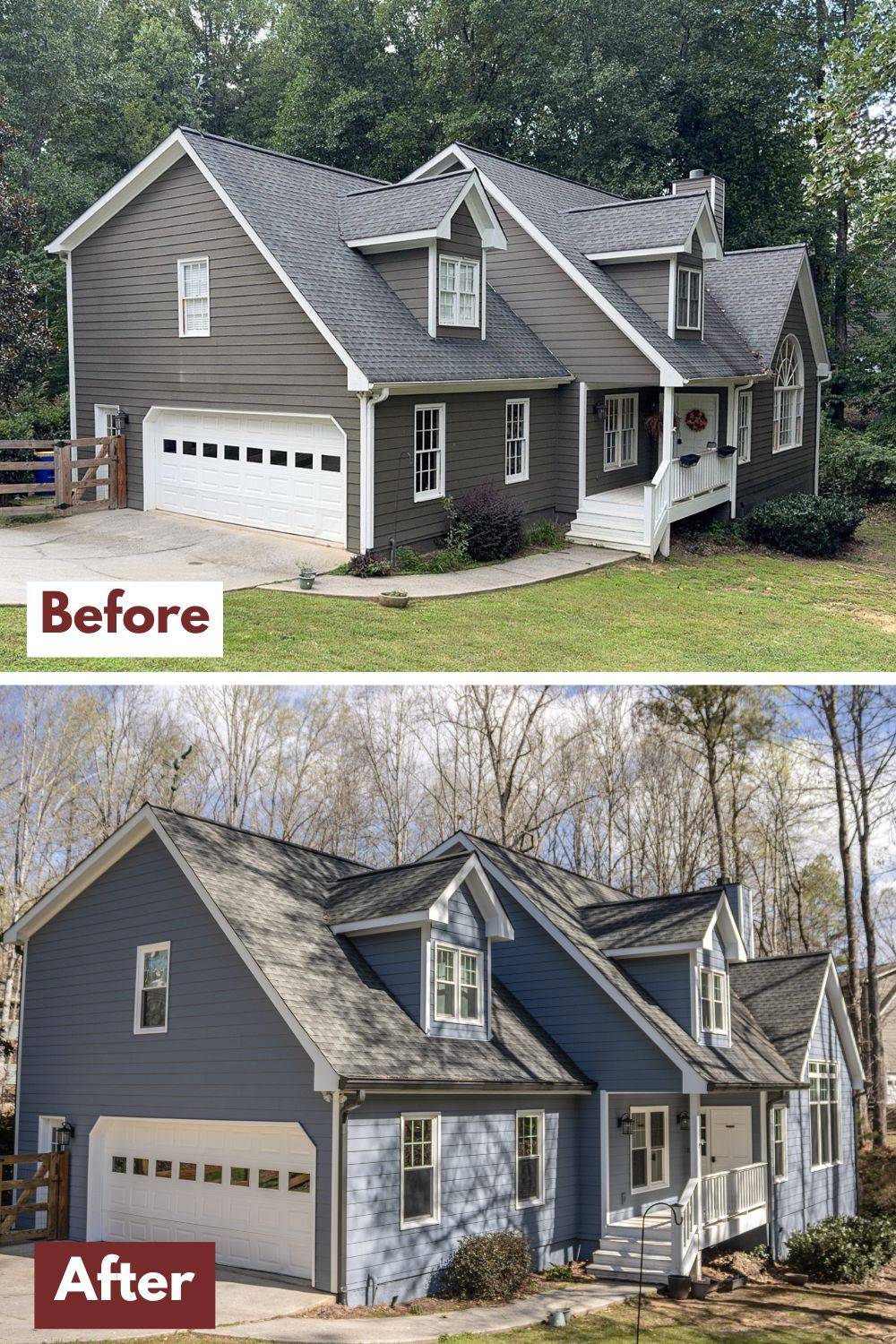
James Hardie is often the better fit for homeowners who care more about long-term durability, stability in humidity, and a more substantial finished look. If your goal is to stay in the home and reduce the chances of future maintenance headaches, James Hardie often becomes the stronger value choice over time.
James Hardie vs Wood: Is the Look Worth the Maintenance?
Wood siding has undeniable charm. For some homes, especially traditional or historic styles, that natural look is hard to replace.
The tradeoff is maintenance.
In a humid climate, wood is more vulnerable to moisture problems, rot, soft spots, and pest exposure. It also usually needs more repainting and ongoing upkeep. If you love the look of wood but do not love the maintenance that comes with it, James Hardie often gives homeowners a better balance.
James Hardie vs Engineered Wood: Which Is More Forgiving?
Engineered wood can be an attractive middle-ground option. It is lighter, can offer a nice wood-look finish, and may be cost-competitive depending on the home.
The key issue is moisture management.
Wood-based products depend heavily on proper flashing, correct installation, and ongoing maintenance. If water gets behind the siding, it can be less forgiving than fiber cement. For homeowners who want a more consistent performer in Atlanta's climate, James Hardie is often the safer choice.
James Hardie vs Aluminum: Does Aluminum Still Make Sense?
Aluminum siding still shows up on older homes, and it does offer some practical benefits. It does not rot like wood, and it can be relatively low maintenance.
Still, it is rarely the first choice for a modern exterior update.
Aluminum can dent easily, may sound noisy in the wind, and often looks more dated compared to newer siding options. For homeowners replacing older aluminum siding, James Hardie is often the upgrade that delivers a more current look and stronger long-term appeal.
What Siding Is Best for Resale Value?
There is no one-size-fits-all answer, but buyers often respond well to siding that looks attractive, appears well-maintained, and offers durability.
For many Metro Atlanta homes, James Hardie siding is the strongest resale-friendly option because it combines appearance with long-term performance.
FAQs About James Hardie vs Other Siding Materials
Is James Hardie worth the extra cost?
For many homeowners planning to stay in their home long-term, the durability and curb appeal can justify the higher upfront cost.
Does James Hardie siding hold up in humidity?
Yes. Fiber cement siding is often selected for humid climates because it handles moisture better than many wood-based materials when installed correctly.
Is vinyl siding cheaper than James Hardie?
Usually, yes, upfront. Long-term value depends on maintenance, lifespan, and your priorities.
How long does James Hardie siding last?
Lifespan depends on installation quality, maintenance, and environmental conditions. A properly installed system can provide long-term performance.
Ready to Choose the Right Siding for Your Home?
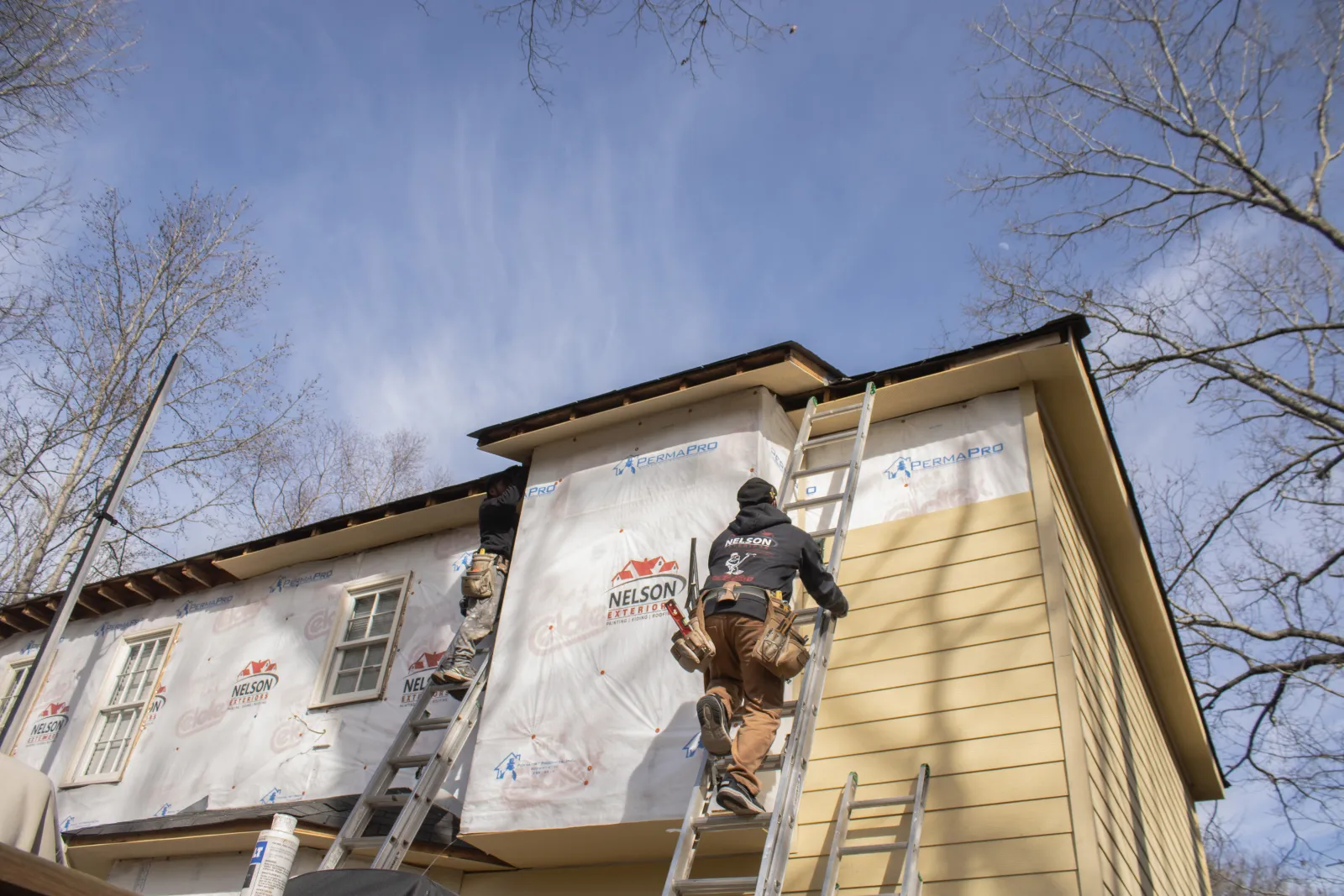
Choosing between James Hardie and other siding materials is not just about the product. It is also about getting the installation right. Even the best siding can underperform if it is installed poorly.
That is why homeowners trust the team at Nelson Exteriors. Since 1977, Nelson Exteriors has helped Atlanta-area homeowners make confident exterior decisions with clear guidance, experienced installation, and steady communication throughout the project. Our project managers are on-site most days, check in regularly, and handle quality control during the work and at the end.
If you are still weighing James Hardie vs other siding materials, Nelson Exteriors can help you compare your options and choose what makes the most sense for your home, budget, and long-term goals. Contact Nelson Exteriors today for your free estimate.